The Impact of acoustic panels on mental health and well-being at work
December 25, 2024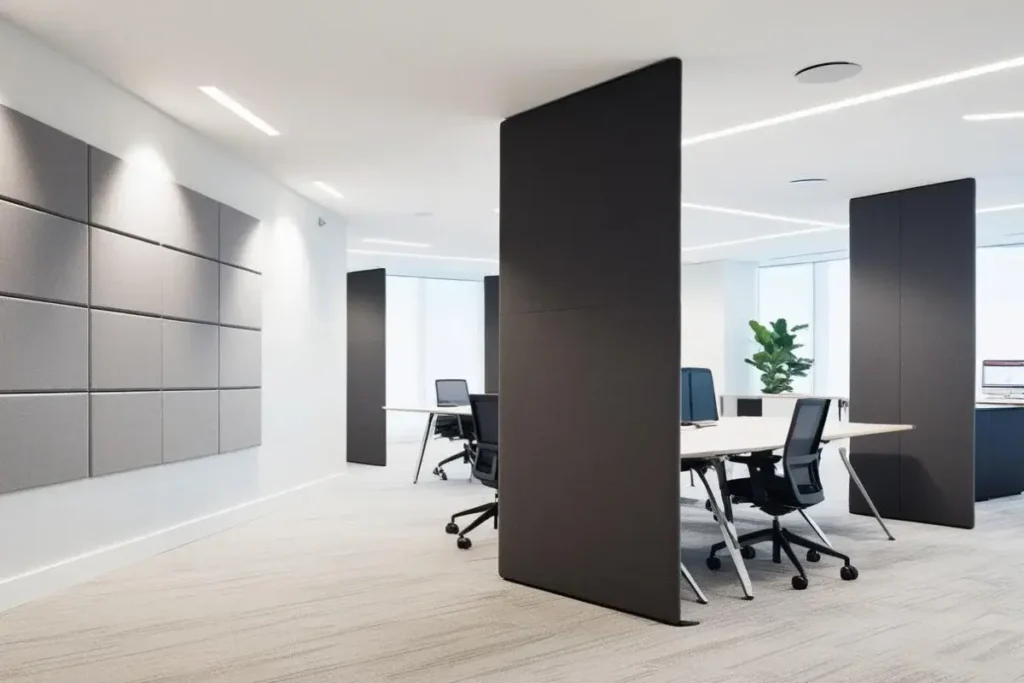
When planning a renovation project, sound management is often overlooked, yet it’s a critical factor for creating comfortable and functional spaces. Whether you’re redesigning a home, office, or commercial area, integrating acoustic panels can significantly enhance the atmosphere by reducing noise and improving sound quality. In this guide, we’ll explore how to seamlessly incorporate acoustic panels into your renovation projects for optimal results.
Why include acoustic panels in renovations?
Acoustic panels are designed to absorb sound waves, reducing echo and minimizing noise levels. They’re not just practical; modern acoustic panels come in a variety of designs and materials, allowing them to double as stylish decor elements. Including them in your renovation plan offers several benefits:
-
Enhanced comfort: Reduce noise distractions in homes, offices, or public spaces.
-
Improved productivity: Create a focused environment in workplaces and educational institutions.
-
Aesthetic appeal: Choose from a range of colors, textures, and shapes to match your design vision.
-
Value addition: Boost the functionality and appeal of your property.
Key areas to consider for acoustic panels
When incorporating acoustic panels into your renovation, it’s essential to identify the areas where they’ll have the most impact:
1. Living rooms and open spaces
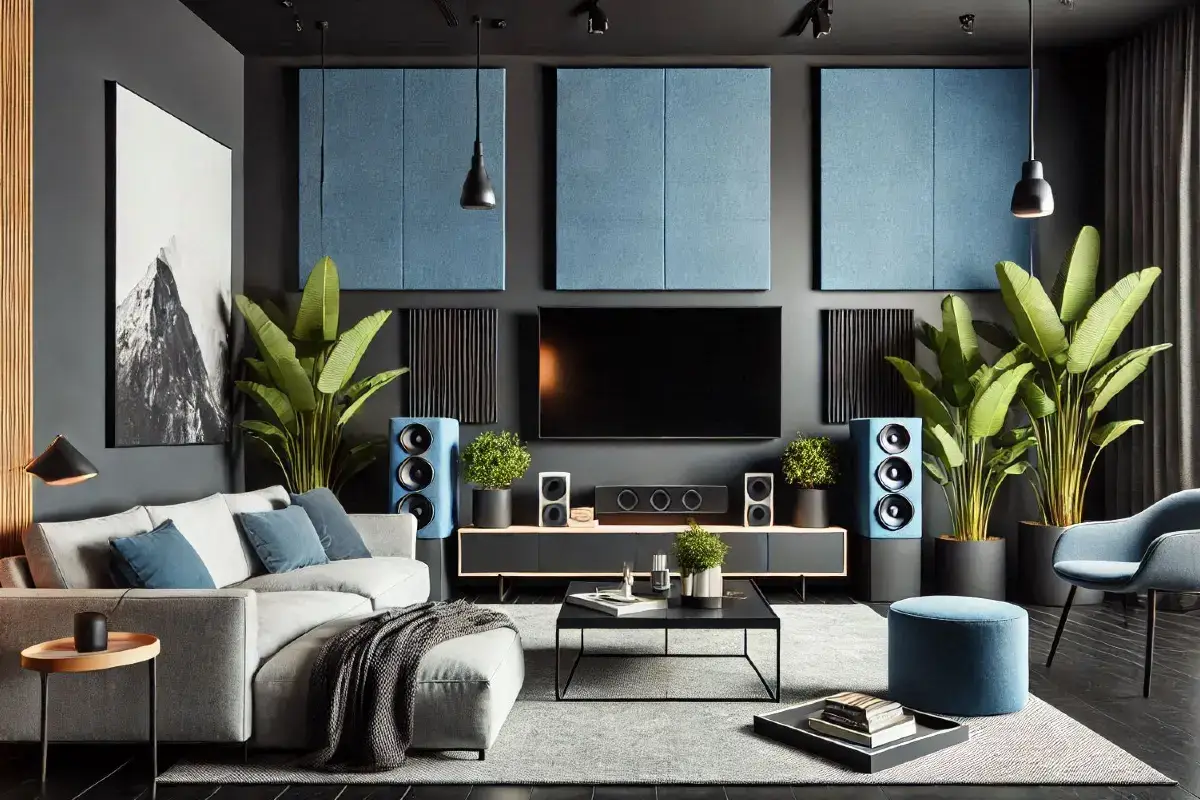
In homes with open floor plans, noise can travel freely, creating disturbances. Acoustic panels can be used on walls or ceilings to absorb sound and enhance comfort.
2. Home theaters
For movie enthusiasts, acoustic panels are a must to ensure crisp audio and an immersive experience. Install them on walls and ceilings to optimize sound quality.
3. Offices and workspaces
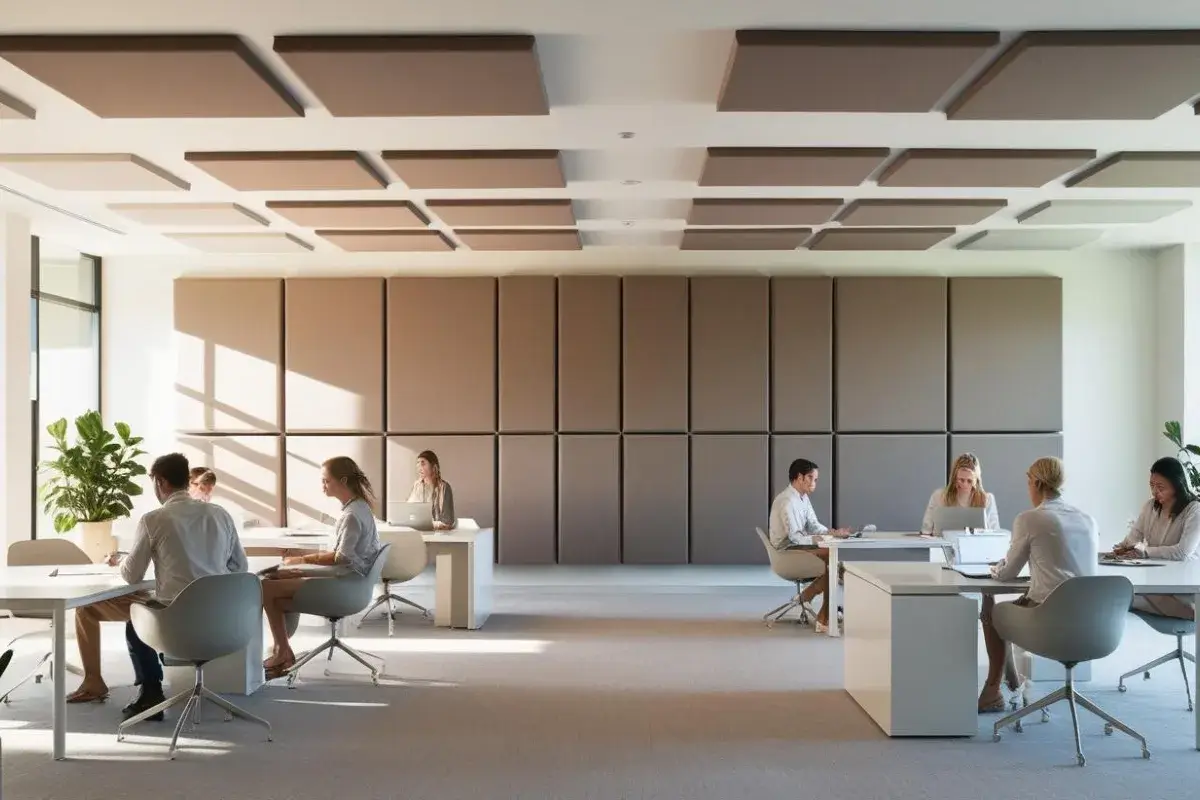
In open-plan offices, noise distractions can hinder productivity. Adding acoustic panels to meeting rooms, shared spaces, or even desk partitions can significantly improve focus and communication.
4. Restaurants and cafés
Acoustic panels can create a more enjoyable dining experience by minimizing background noise and enhancing privacy for patrons.
5. Studios and creative spaces
For musicians, podcasters, or content creators, acoustic panels help achieve professional-grade sound quality by managing reverberation and echo.
Choosing the right acoustic panels
Not all acoustic panels are created equal, and choosing the right ones depends on your project’s specific needs. Here are some factors to consider:
1. Material
-
Fabric panels: Versatile and available in many colors; ideal for offices and homes.
-
Foam panels: Lightweight and budget-friendly; perfect for studios and DIY projects.
-
Wood panels: Durable and stylish; suitable for high-end designs.
2. Design
Look for panels that complement your overall design scheme. Options include geometric shapes, vibrant colors, or even custom-printed panels.
3. Performance
Check the Noise Reduction Coefficient (NRC) to ensure the panels meet your sound absorption requirements.
4. Installation Type
-
Wall-mounted panels: Easy to install and suitable for most spaces.
-
Ceiling panels: Ideal for reducing overall noise in larger areas.
-
Freestanding panels: Great for flexible layouts, such as open offices or event spaces.
Tips for seamless integration
Integrating acoustic panels into your renovation doesn’t have to be complicated. Follow these tips for a smooth process:
1. Plan early
Incorporate acoustic solutions into your design phase to avoid last-minute adjustments. Work with architects or designers to ensure the panels align with the overall aesthetic.
2. Mix and match
Combine different types of acoustic panels to address specific needs. For example, use ceiling panels for ambient noise and wall panels for targeted sound absorption.
3. Focus on high-traffic areas
Install panels in spaces where noise levels are typically high, such as dining areas, meeting rooms, or entryways.
4. Consult experts
Work with an acoustic specialist to determine the best placement and materials for maximum effectiveness.
Maintenance and longevity
Acoustic panels are low-maintenance but require some care to ensure durability:
-
Dust regularly: Use a soft cloth or vacuum attachment to remove dust.
-
Spot clean: For fabric panels, clean stains with mild detergent and water.
-
Avoid moisture: Keep panels dry to prevent damage, especially foam or fabric types.
Conclusion
Integrating acoustic panels into your renovation projects is a smart investment that enhances both functionality and design. By addressing noise issues while elevating the aesthetics of your space, acoustic panels provide a solution that truly balances form and function. Whether you’re redesigning a home, upgrading an office, or revitalizing a commercial space, acoustic panels can transform your project into a more enjoyable and efficient environment.
Ready to upgrade your space? Explore the wide range of acoustic panels available today and make your renovation a sound success.